How Random Video Chat Platforms Work
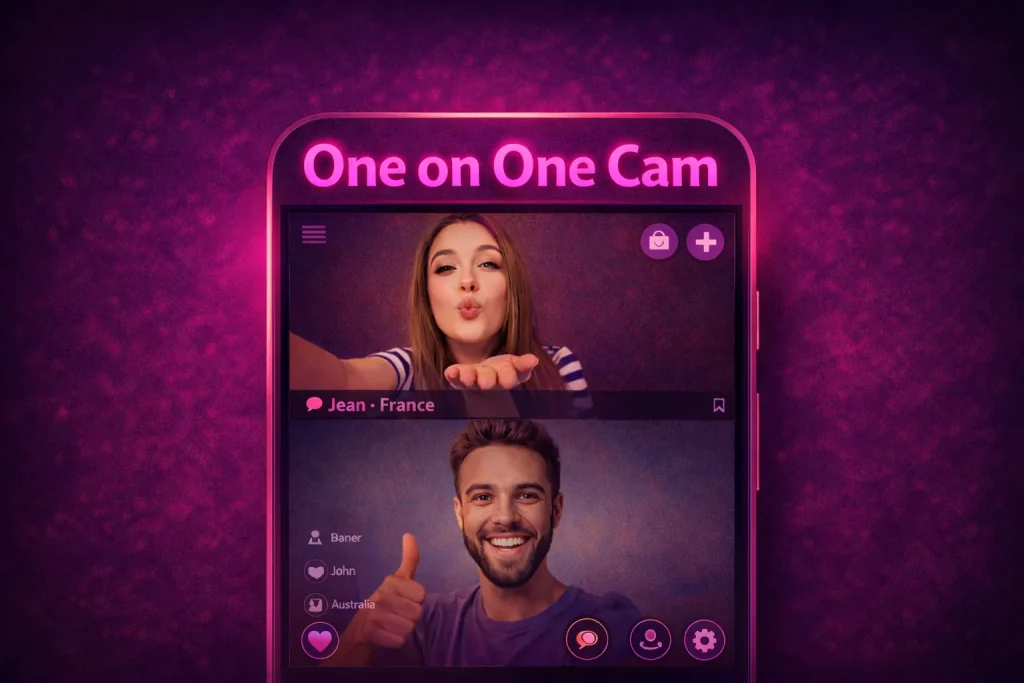
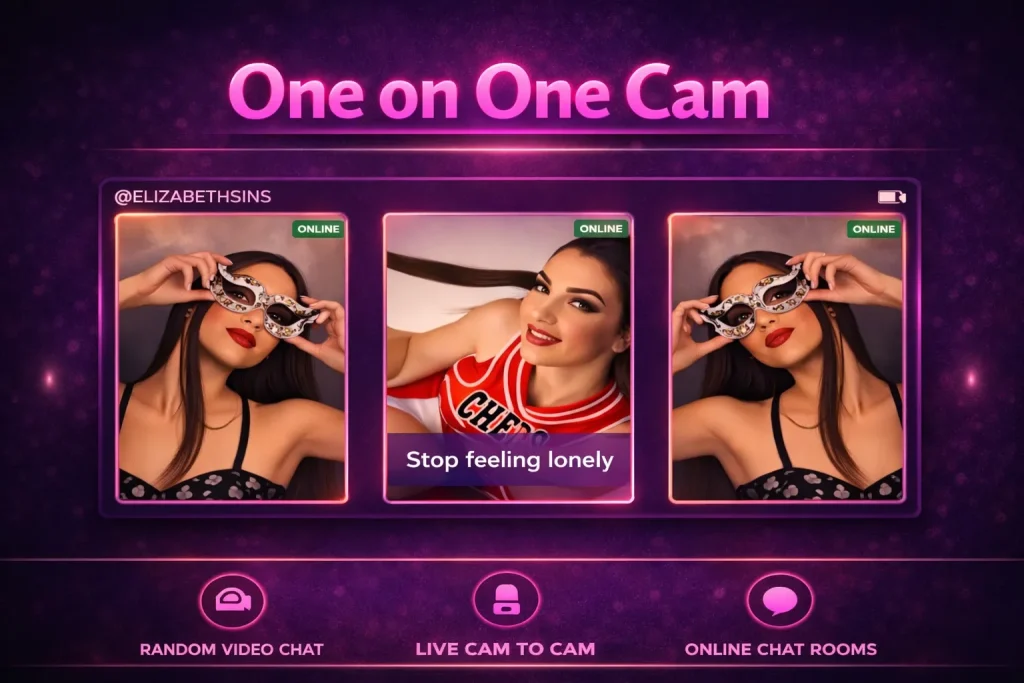
Most one-on-one cam platforms follow a very familiar flow. A user opens the site or app, allows camera and microphone permissions, chooses a chat mode or filter if available, and enters a one-on-one session with another user. If the conversation is not a good fit, the user exits, skips, or starts a new session.
The standard flow usually looks like this:
Open the platform
Allow camera and microphone access
Choose preferences if offered
Start a one-on-one match
Continue, skip, or end the session
Repeat if needed
That seems simple, and that simplicity is the product. Users in this space usually do not want long profile-building or delayed replies. They want:
immediate visual interaction
private one-to-one conversation
quick control over the session
low sign-up friction
a clear next step if the chat does not work
Still, the category splits into different styles.
Some platforms are pure stranger roulette with a one-to-one layout. Some add gender or region filters. Some are more social and app-like. Some are premium-first and use private one-on-one sessions as the core paid feature. That means the same keyword can lead users toward very different experiences.
A practical truth helps here: the best one-on-one cam platform is not always the one with the boldest promise. It is the one that gives fast connection, clear controls, and enough realism that the chat does not feel fake or overly staged.
Is One on One Cam Anonymous?
One-on-one cam platforms often feel more private than group chat because only two users are interacting at once. But private is not the same as anonymous, and anonymous is not the same as safe.
A platform can reduce public exposure while still carrying real privacy risks.
Users may reveal identity clues through:
face and voice
room background
personal details shared in conversation
social accounts shared too early
repeated use of the same nickname
off-platform follow-up requests
That is why the safest way to think about this category is as low-exposure, not no-risk.
Some one-on-one cam platforms do not require a full public profile before the first session. That makes them feel more anonymous than dating apps. But users should still assume:
the other person can screenshot or record
the platform may still log technical activity
oversharing can undo any privacy advantage immediately
The safest habits are simple:
use a neutral username if one is needed
keep the background clear of personal clues
avoid sharing socials, number, or location early
treat first chats as low-trust by default
leave quickly if someone becomes invasive or manipulative
These habits matter more than brand promises. Even the cleanest one-on-one cam platform cannot protect users from their own oversharing if they ignore basic privacy discipline.
Safety and Moderation Explained
Safety is one of the most important parts of any one-on-one cam review because private webcam interaction can feel more intimate and more convincing than text chat. That makes boundaries even more important.
The common risks in this category are predictable:
fake profiles or staged interactions
bots or scripted conversations
inappropriate behavior
emotional pressure to keep chatting
pressure to move off-platform
scams involving links, money, or premium upsells
false confidence created by the private format
A strong platform should make these controls easy to find:
Users should pay close attention to one thing: how easy it is to leave. A platform that makes it fast to end a bad interaction is usually safer in practice than a platform that only looks polished on the homepage.
Moderation also matters, but in one-on-one spaces it is harder for users to “see” moderation directly. That is why the platform’s design matters so much. If reporting is easy, blocking is obvious, and session exits are clean, the user stays more in control even when moderation itself is not visible.
A practical rule helps here: the safest platform is usually not the one that makes the biggest emotional promises. It is the one that gives the user the fastest control the moment something feels wrong.
Free vs Paid Platforms (What’s Actually Free?)
This is where many users get frustrated. In the one-on-one cam niche, “free” often means:
free to enter
free to test the matching flow
free for basic one-to-one access
free at the base level, but with filters or enhanced matching locked behind payment
That means the real question is not “Is it free?” but “Is the free version actually usable?”
A useful free experience should let users:
test the interface
start at least some real one-on-one sessions
understand the speed and match quality
use core controls like skip, exit, or report
decide whether paid features solve a real problem
Users should slow down when:
premium prompts appear before the first real session
the free layer feels too limited to judge the site honestly
gender or region filters are treated as the only useful feature
billing is unclear or too aggressive
“free” is mostly a marketing hook for a gated premium model
This does not mean paid platforms are automatically bad. Some one-on-one cam services are clearly premium-first because their value depends on stronger filters, more private control, or more curated matching. That can be fine when the platform is honest about it.
The best user strategy is always the same: test the base experience first. If the site already feels weak, fake, or confusing, paying usually will not fix the core problem.
Common Risks and How to Reduce Them
The risks in one-on-one cam are predictable, which is useful because predictable risks can be reduced with basic habits.
Risk 1: Trusting the private format too quickly
A one-to-one video session can feel more personal than it really is.
How to reduce it: Treat every first session as low-trust, even if the conversation feels smooth.
Risk 2: Oversharing
Users often reveal too much because private cam chat feels more direct than public chat.
How to reduce it: Keep early conversations light. Do not share real name, socials, number, exact location, or work details.
Risk 3: Fake or low-quality matches
Some platforms create frustration through poor traffic quality, bots, or interactions that feel too staged.
How to reduce it: Judge the actual session flow, not just the marketing. Leave quickly if the interaction feels scripted or unnatural.
Risk 4: Paying too early
Users may assume filters or premium access will automatically create better results.
How to reduce it: Use the free version long enough to understand the real quality before paying for upgrades.
Risk 5: Off-platform pressure
A person pushing quickly toward another app, payment request, or private contact is a clear warning sign.
How to reduce it: Keep the conversation on-platform until trust is earned, and usually longer than feels tempting in the moment.
Risk 6: False sense of anonymity
Users may assume that because it is one-to-one, it is somehow safer or more private.
How to reduce it: Assume that anything shown on camera can be recorded. Keep the session clean, neutral, and low-risk.
These are not glamorous tips, but they are the ones that protect users. Safer use in this category is mostly about calm choices, low-trust behavior, and fast exits.
Best Platforms for One on One Cam
There is no single best platform for everyone. The strongest option depends on whether the user wants pure speed, more control, better filters, or a more premium private-chat experience.
Random one-on-one roulette platforms
These are best for users who want immediate private cam sessions with strangers and do not need much structure. They work well for people who value speed and simplicity.
Filter-based video chat platforms
A better fit for users who want one-to-one cam chat but also want some control over who they meet. Gender or region filters can make the experience feel less chaotic.
Social discovery video apps
These suit users who want one-on-one video but in a more app-like, modern environment. They often feel less raw than pure roulette sites, though some useful preferences may be tied to paid plans.
Premium private cam platforms
These are stronger fits for users who want more curated one-on-one sessions and are willing to pay for tighter control or more direct matching. These platforms often market privacy, directness, or higher-quality matches rather than pure randomness.
Text-to-cam hybrid platforms
These are ideal for cautious users who do not want to jump into video immediately. Starting with text can lower pressure and help users test whether the interaction feels worth escalating into a cam session.
The smartest way to choose is not to ask, “Which platform is best?” The better question is, “Which one-on-one cam style matches the kind of conversation this user actually wants?”
Comparison Table: One on One Cam vs Other Platforms
This table is a practical starting point, not a fixed ranking. Traffic quality, pricing, moderation, and feature access can change, so users should always test the current experience directly before committing.
FAQs: One on One Cam
1. What does One on One Cam mean?
It usually refers to video chat platforms built for direct private webcam conversations between two users rather than group rooms or public streams.
2. Is one-on-one cam the same as random video chat?
Not always. Some one-on-one cam platforms are fully random, while others use filters, social matching, or premium private-session systems.
3. Are one-on-one cam platforms free?
Some are free at the base level, while others offer free testing with premium filters or private controls locked behind payment.
4. Are one-on-one cam platforms anonymous?
They can feel more private than room-based platforms, but they are not fully anonymous. Users can still reveal personal details through video, voice, and conversation.
5. What is the biggest risk in one-on-one cam?
The biggest risks are oversharing, trusting the private format too quickly, and paying before understanding the real quality of the platform.
6. Is one-on-one cam safer than group cam chat?
It can feel more private, but private does not automatically mean safer. The risk depends on the user’s behavior, platform controls, and how fast they can leave bad interactions.
7. Should users pay for premium filters right away?
No. It is smarter to test the basic version first and only pay if the premium tools clearly improve the experience.
8. Can users start without creating a full profile?
Many platforms in this category reduce sign-up friction for basic use, though requirements vary by site and feature set.
9. Can people record one-on-one cam sessions?
Yes, another user can potentially screenshot or screen-record the interaction, so users should never assume a private cam session is fully private.
10. Are filter-based platforms better than pure roulette?
That depends on the user. Filter-based platforms are better for users who want more control, while pure roulette is better for users who value speed and spontaneity.
11. Is text-first better for cautious users?
For many users, yes. Text-to-cam hybrid platforms can reduce pressure and help users judge the interaction before going on camera.
12. What should users do if a chat feels fake or manipulative?
Leave immediately, use block or report tools if available, and avoid moving the conversation off-platform.
13. Is one-on-one cam better than dating apps?
That depends on the goal. One-on-one cam is better for fast live interaction, while dating apps are better for slower profile-based filtering and long-term intent.
14. Who should avoid one-on-one cam platforms?
Users who want strong identity verification, low-risk interaction, or highly structured matching may prefer mainstream dating or social apps instead.
15. What makes a good one-on-one cam platform?
Fast connection, easy exits, visible safety tools, usable free access, and a match flow that feels real rather than fake or overly staged.
Final Verdict: One on One Cam
One on One Cam is not one single platform. It is a broad category that includes everything from pure stranger roulette to filter-based private video chat, text-to-cam hybrids, and premium private-session platforms.
The best option depends on what the user values most: speed, privacy feel, filters, lower-pressure entry, or stronger curation. Used carefully, with low-trust habits and realistic expectations, this category can be useful, fast, and easy to test—but the smartest results come when users choose the type of One on One Cam platform that actually matches their intent instead of chasing the loudest promise.