


Xmegle sits in a crowded corner of the internet where random video chat online platforms promise instant conversations, fast matching, and low-friction cam to cam chat with strangers.






That speed is exactly why these platforms attract users—and exactly why they need careful review. This article breaks down what Xmegle appears to offer, how platforms like it usually work, what users should watch for, and how to compare it against other popular options without getting pulled in by hype.
Last Updated: February 2026
How This Xmegle Review Was Evaluated
- Moderation strength
- Privacy/anonymity controls
- Pricing transparency
- Ease of use (mobile/desktop)
- Bot/spam prevention
- Filtering options (gender/location if relevant)
- Overall user safety
What Is Xmegle?
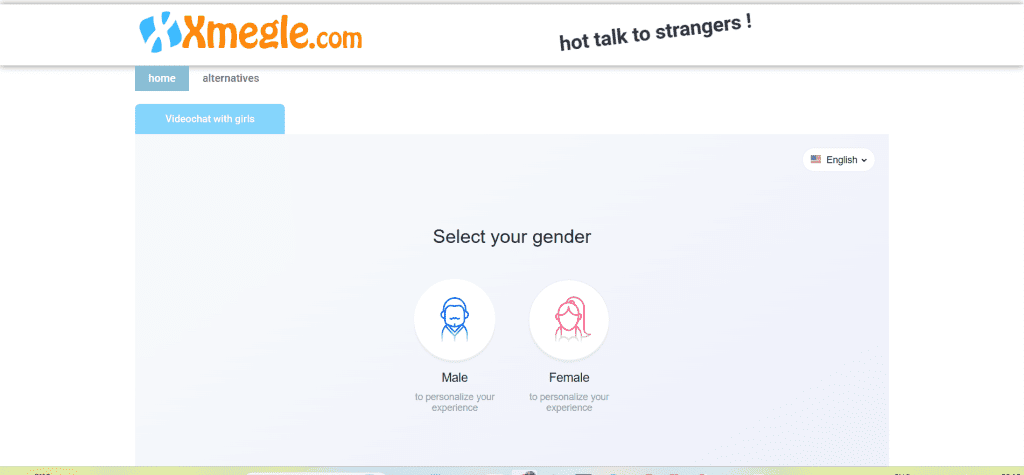
Xmegle is typically searched as a random video chat platform in the same general category as Omegle-style chat websites, where users are matched with strangers for text or video conversations. In simple terms, it is usually understood as a fast-match chat site built around instant connections rather than long profile setup.
What it is not: it is not a traditional social network with deep profiles, timelines, and friend graphs. It is also not the same as a structured dating app where users swipe, match, and chat only after mutual approval. The experience is usually more immediate: open the site, allow camera access, and start chatting.
That distinction matters because user expectations often cause frustration. People who want strong identity verification, deep moderation, or polished matchmaking may find roulette-style platforms too loose. People who want quick interactions may prefer them.
A practical way to think about Xmegle is this: it belongs to the “instant stranger chat” category, where speed is a feature, but safety discipline becomes the user’s responsibility as much as the platform’s.
How Xmegle Works
Most random video chat platforms follow the same core flow, and Xmegle is generally evaluated against that standard:
- Open the site
- Choose text chat or video chat (if available)
- Grant camera/microphone permissions
- Start matching with random users
- Skip/next when the chat is not a fit
That sounds simple, and it is. But the details make a big difference.
Some platforms add filters (gender, region, interests). Others keep things fully random. Some require sign-up for premium controls, while basic matching remains free. Some provide reporting and blocking buttons clearly on-screen; others hide them in menus, which weakens user safety in practice.
The key test is not whether a platform can connect two strangers. Almost all of them can. The real test is whether the user can quickly control the experience when something goes wrong—spam, harassment, repeated bots, or suspicious links.
A strong user experience on platforms like Xmegle usually means:
- fast loading
- clear next/skip controls
- visible report/block options
- minimal confusion around free vs paid features
- stable camera permissions on mobile and desktop
Key Features and Standout Tools
Random chat users often care less about flashy design and more about whether the platform helps them find better conversations faster. When reviewing a platform like Xmegle, the following features matter most:
Instant random matching
This is the core function. Users join and are paired quickly for live chat. Speed is the main attraction.
Cam to cam chat
Video-first platforms live or die on call stability. If video connection is laggy or drops often, users leave fast.
Text chat fallback
Some users prefer starting with text before turning on the camera. This reduces risk and helps screen out obvious spam.
Skip/next matching
The “next” button is not just convenience—it is a safety tool. Frictionless exiting matters in random chat.
Report/block controls
Even basic moderation gets stronger when users can report behavior in one click and move on immediately.
Filters (if offered)
Gender or location filters can improve relevance, but users should pay attention to whether these are free, limited, or locked behind upgrades.
Guest access or low-friction entry
Some users want to chat without full registration. That can improve convenience, but it may also increase platform abuse if moderation is weak.
A quick rule of thumb: the more a platform promises “advanced” features, the more important pricing clarity becomes. Hidden limits and surprise paywalls are common complaints in this niche.
Is Xmegle Anonymous?
Xmegle, like many stranger chat platforms, is often used because people expect some level of anonymity. But “anonymous” in random video chat usually means limited identity disclosure by default, not complete privacy.
Users may be anonymous in the sense that they are not required to publish a full public profile. However, anonymity can break quickly if a user shares:
- real name
- social handles
- phone number
- location details
- workplace or school info
Video itself can also reveal more than people realize. Room background, uniforms, accents, street noise, and visible notifications can expose personal details.
So the practical answer is:
Xmegle may feel like anonymous chat at first, but anonymity depends heavily on user behavior, platform design, and whether the site encourages profile creation or external contact sharing.
For anyone using stranger chat platforms, the safest approach is to treat anonymity as partial and fragile, not guaranteed.
Safety, Moderation, and Privacy Controls
This is where random video chat platforms separate the decent options from the messy ones.
A platform like Xmegle should be judged on how visible and usable its safety controls are—not just whether the site claims to have rules. A page full of safety promises means little if the user cannot find the report button during an active problem.
What matters most in practice:
Visible reporting tools
Can the user report harassment, spam, or inappropriate behavior in seconds?
Blocking functionality
Can the user prevent repeated contact or persistent abuse?
On-screen controls during live chat
Safety tools hidden in account settings are much less useful.
Clear community rules
Platforms that explain what is prohibited usually create better expectations for users.
Privacy guidance
Helpful platforms remind users not to share personal details or click suspicious links.
Age restrictions and enforcement signals
This category requires especially strict handling. Clear rules and enforcement language matter.
No random chat platform can eliminate bad behavior completely. The realistic goal is reducing exposure, giving users fast control, and removing obvious bad actors quickly. That is the standard users should apply to Xmegle and every alternative in this niche.
Pricing, Payments, and Subscription Structure
Many users search for platforms like Xmegle expecting free random chat. In reality, random video chat sites often use a hybrid model:
- Free access for basic matching
- Paid upgrades for filters, priority matching, unlimited sessions, or premium features
- Credit systems on some platforms
- Subscription plans on others
The biggest issue is not that paid features exist. The issue is whether the platform is upfront about what is free and what is not.
A good pricing structure should make these things obvious before users commit:
- what features are included for free
- what features require payment
- billing frequency (weekly/monthly)
- renewal terms
- cancellation steps
- refund policy (if any)
If a platform uses urgency language, aggressive popups, or unclear buttons, users should slow down. Random chat platforms move fast by design, and that speed can carry into payment decisions. A careful review treats pricing transparency as a core trust factor, not a side detail.
User Experience (Mobile, Desktop, Sign-Up)
User experience in stranger chat is mostly about friction and control.
A platform like Xmegle may feel “good” even with a basic design if it does these things well:
- opens quickly
- requests permissions properly
- connects without long delays
- keeps controls visible
- works on mobile browsers without breaking video
- avoids cluttered popups during the first session
Mobile experience matters more than many reviews admit. A large share of users join random video chat from phones, where camera permissions, portrait layout, and accidental taps can ruin the flow.
Desktop experience still matters for longer sessions and users who prefer stable connections, larger screens, or multitasking.
Sign-up friction is another important point. Some users prefer guest access for privacy and speed. Others are willing to sign up if it improves moderation and reduces spam. There is no one right answer—but the platform should be honest about why sign-up is required, if it is required.
In this category, usability is not just comfort. It directly affects safety. If a user struggles to find the report, mute, or skip controls on mobile, the platform becomes harder to trust.
Pros and Cons
Every random video chat platform has tradeoffs. A practical Xmegle review should show both sides clearly.
Pros
- Fast access to random chat sessions
- Simple concept with low learning curve
- Can be useful for casual conversations or quick social interaction
- Often easier to start than profile-heavy dating apps
- Skip/next flow gives users quick exit control
Cons
- Random matching can produce low-quality conversations
- Spam, bots, or repetitive behavior may appear on some sessions
- “Anonymous” feel can create false confidence
- Paid filters/features may reduce the free experience
- Moderation quality can vary significantly in this niche
The right question is not whether the platform is perfect. It is whether the user understands the risks, controls the session, and knows when to switch to a better alternative.
Xmegle vs Alternatives
Users rarely compare Xmegle against just one competitor. They compare it against the whole category: mainstream roulette chat, moderation-first platforms, and filter-heavy options.
Here is a useful way to think about the alternatives:
For simple fast matching
- OmeTV
- Camsurf
- Camgo
These platforms are often chosen by users who want a quick “open and chat” flow with fewer setup steps.
For more filters and upgraded control
- Chatspin
- Shagle
- Flingster (depending on region and intent)
These are usually better for users who want optional filters, but feature limits may appear on free tiers.
For more structured matching
- Emerald Chat and similar interest-based platforms
These platforms may appeal to users who want more than pure randomness, even if the onboarding is slightly slower.
For niche-specific communities
- category-specific chat sites (including LGBTQ+ focused platforms, regional chat sites, or community-based live chat spaces)
These can improve relevance, but users should evaluate moderation and privacy standards carefully before committing.
If Xmegle does not fit a user’s goals, that does not necessarily mean it is “bad.” It may simply be the wrong style. Some users want speed; others want stronger filtering or a safer moderation feel.
Comparison Table: Xmegle vs Other Platforms
| Platform | Best For | Free Version |
Moderation | Key Advantage |
|---|---|---|---|---|
| Xmegle | Quick random video chat sessions | Usually basic access | Medium (varies by usage patterns) | Fast entry and simple roulette-style flow |
| OmeTV | Mainstream random 1-on-1 chats | Yes | Medium | Large user base and quick switching |
| Camsurf | Users prioritizing safer feel | Yes | Medium–Stronger | Cleaner interface and visible reporting tools |
| Camgo | Easy-start cam chat | Yes | Medium | Smooth onboarding with simple layout |
| Chatspin | Users wanting optional filters | Yes (limited) | Medium | Lightweight platform with upgrade options |
| Emerald Chat | More structured matching | Yes (limited) | Medium–Stronger | Interest-based matching and more guided flow |
| Shagle | Filter-focused comparisons | Limited / Varies | Medium | Multiple filters and global audience feel |
| Flingster | Fast adult-oriented cam matching | Limited / Paid features | Medium | Quick pairing and premium filter options |
FAQs: Xmegle
What is Xmegle used for?
Xmegle is generally used for random video chat or text chat with strangers. People use it for casual conversations, social discovery, and quick cam with strangers sessions.
Is Xmegle free to use?
Many platforms in this category offer a free entry level, but some features may be limited. Users should check whether filters or advanced controls are behind a paywall.
Do users need an account for Xmegle?
That depends on the platform’s current setup. Some stranger chat sites allow guest access, while others require sign-up for certain features.
Is Xmegle anonymous?
It can feel anonymous at the start, but anonymity is limited. Users can still expose personal details through video, chat messages, or shared links.
Is Xmegle safe?
Safety depends on moderation, user behavior, and platform controls. Users should use skip, block, and report tools and avoid sharing personal information.
Can Xmegle be used on mobile?
Most modern random chat platforms are designed to work on mobile browsers, but performance can vary based on permissions, device type, and connection quality.
Does Xmegle have a text-only mode?
Some platforms in this niche offer text chat alongside video chat. If available, text-first chatting can help users screen conversations before turning on video.
How can users avoid bots on Xmegle?
Users should avoid clicking suspicious links, ignore scripted messages, and leave chats that immediately push social handles or payment requests.
What should users do if someone is abusive?
Use the report and block tools immediately, then leave the chat. If controls are hard to find, that is a warning sign about platform usability.
Is Xmegle better than OmeTV or Camsurf?
It depends on what the user wants. Some users prefer faster roulette-style matching, while others prioritize moderation or a more structured experience.
Can users filter by gender or location on Xmegle?
Some platforms offer filtering options, often as premium features. Users should confirm whether filters are real-time, limited, or paid before subscribing.
Does Xmegle store chats or videos?
Policies vary by platform. Users should review the site’s privacy policy and terms before using video chat, especially if privacy is a major concern.
Can users get banned on Xmegle?
Most platforms can suspend or ban users for violating rules, especially for harassment, spam, or prohibited content. Enforcement consistency varies by platform.
What is the biggest risk when using Xmegle?
The biggest risks are privacy leaks, spam, scams, and unsafe interactions—not usually the technology itself. Good safety habits reduce most of that risk.
Who should skip Xmegle and choose another platform?
Users who want strong identity verification, deep moderation, or serious dating-style matching may prefer structured apps or moderation-first chat platforms instead.
Final Verdict: Xmegle
Xmegle can appeal to users who want fast random video chat without the heavy setup of traditional social or dating apps, but the same speed that makes it attractive also increases the need for caution. The best way to evaluate the platform is not by marketing claims, but by how well it handles moderation, privacy controls, pricing clarity, and user control during live chats. For users who want simple stranger chat and know how to protect their privacy, Xmegle may be worth testing briefly before deciding whether it outperforms stronger alternatives.